Jakarta Govt Studies Ways to Manage Waste from EV Batteries
Reported by Aldi Geri Lumban Tobing | Translated by Maria Inggita
The Jakarta Provincial Government is collaborating with the University of Indonesia's Institute for Applied Sciences to address pollution risks from used electric vehicle (EV) batteries.
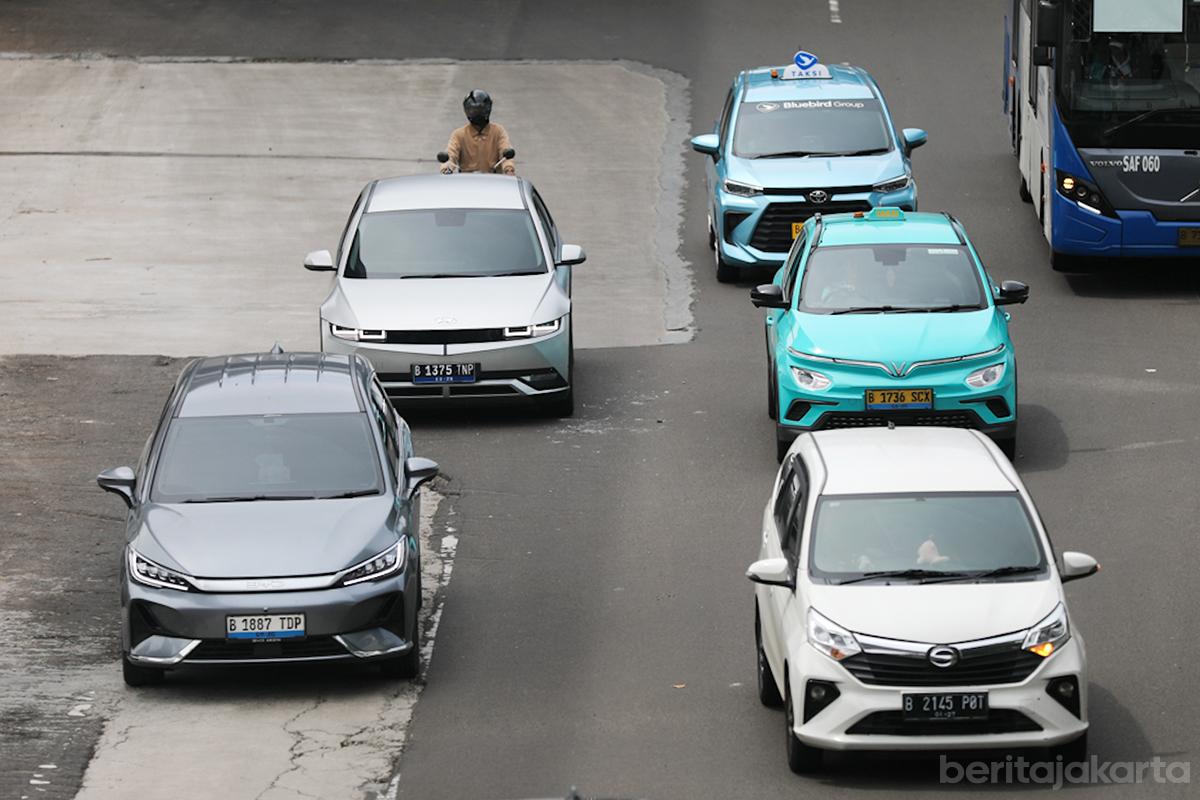
The more electric vehicles are used, the greater the volume of used batteries that need to be managed
Through a study on battery waste management, the city government is laying the groundwork for policies to protect residents and the environment while encouraging the recovery and reuse of valuable materials contained in the batteries.
Jakarta Strengthens Household Waste Sorting via Environmental KSBBThe study, prepared by the Jakarta Environment (LH) Agency, is a preventive measure amid the growing use of electric vehicles.
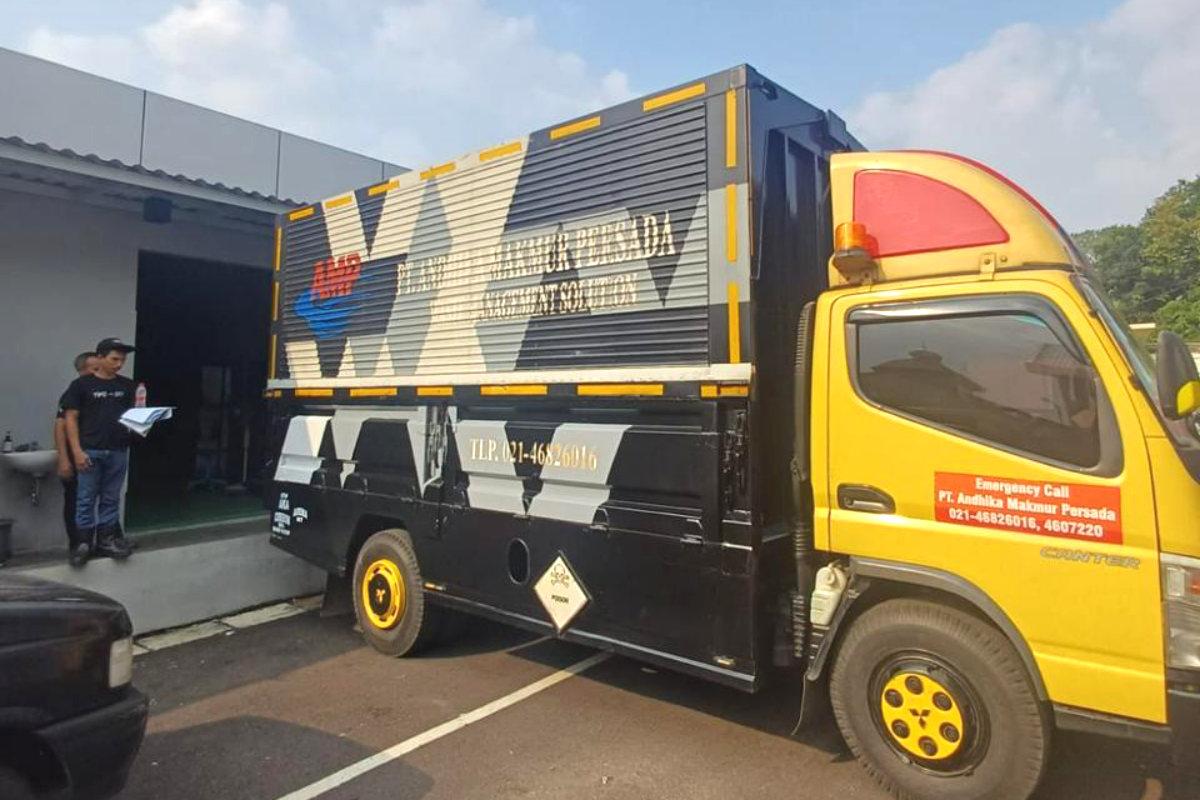
Jakarta Environment Agency Head Dudi Gardesi said used batteries needed to be managed through proper planning from collection to processing. He noted that the growing use of electric vehicles must be accompanied by a safe and sustainable waste management system.
"Through this study conducted with the University of Indonesia's Institute for Applied Sciences, the Jakarta Provincial Government is seeking to strengthen battery waste management planning to prevent harm to the environment and the public," he said on Thursday (10/29).
Dedy Setiono, Head of the Hazardous and Toxic Waste Management Division at the Jakarta Environment Agency, explained that Jakarta is one of Indonesia's main hubs for electric vehicle use.
He noted that Jakarta had 55,240 battery electric vehicles in 2023, accounting for around 68 percent of the national total.
"The more electric vehicles are used, the greater the volume of used batteries that need to be managed," he said.
He added that the study was needed to develop appropriate policies and strategies to prevent potential pollution.
"Proper management also creates opportunities to recover materials from used batteries to help ensure the availability of battery raw materials," he asserted.
These opportunities must still be pursued in accordance with regulations governing hazardous and toxic waste.
Amelia Rachmatunisa, Coordinator of the Working Group on Transboundary Movements of Waste and Conventions at the Ministry of Environment, emphasized that valuable materials in battery waste could be recovered and reused.
"We encourage waste to be turned into a new resource. Therefore, landfilling should be avoided as much as possible by prioritizing recovery and processing," she said.
Slamet, Acting Head of the Center for Survey and Testing of New, Renewable Energy and Energy Conservation at the Ministry of Energy and Mineral Resources, said used EV batteries could also be repurposed for other applications, beyond material recovery.
"These batteries can have a second life, including as energy storage systems or power sources for low-speed vehicles such as forklifts. To ensure proper management, a system for collecting used batteries must also be established," he said.